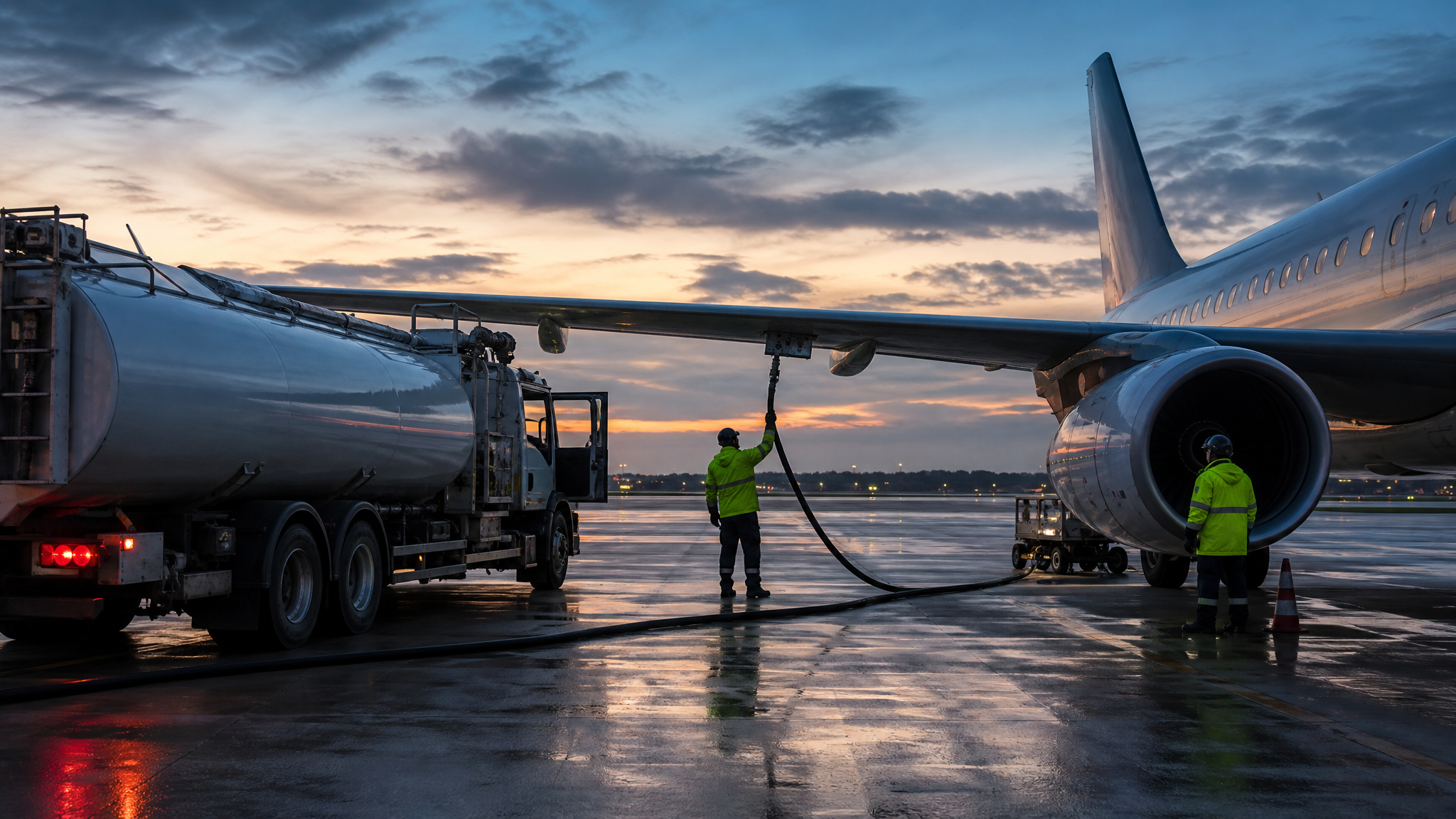
Short answer: there is no verified evidence that the UK (United Kingdom) is currently running out of kerosene (jet fuel). There is, however, a real risk that longer disruption in the Strait of Hormuz (a key shipping route between Iran and Oman) could push up fuel prices, air fares and indirect pressure on household energy bills.
What happened, and why should UK households care?
The Strait of Hormuz is one of the world’s most important energy routes. Oil, gas and refined products, including diesel and aviation fuel, move through the wider Gulf region. When shipping in this area becomes difficult, the impact is not limited to countries that buy energy directly from Iran.
The IEA (International Energy Agency) says flows of crude oil and oil products through Hormuz fell sharply during the conflict, and that diesel and jet fuel markets were among the most affected. That does not mean British households are about to lose gas or electricity supply. It means global energy costs are rising again and feeding into wider household costs.
Is the UK facing a fuel shortage?
According to GOV.UK and the DfT (Department for Transport), UK airlines are not currently reporting a shortage of jet fuel. Airlines normally buy fuel in advance, while airports and their suppliers keep bunkered fuel stocks to support resilience.
That distinction matters: there is no confirmed nationwide UK shortage, but Europe could face pressure if lost Middle East supply is not replaced quickly enough. The risk would probably appear unevenly first — in prices, selected routes, some airports and airlines with less flexibility.
Verdict: Panic is not justified. Paying attention is. This matters most if you have summer travel plans, use heating oil or are deciding whether to fix an energy tariff.
What do jet fuel stocks tell us?
Public data on airport tank levels is rarely available. That means national stocks, commercial estimates and real fuel availability at a specific airport must be treated as different things.
| Area | Verified figure / proxy | What it means |
|---|---|---|
| UK | DESNZ (Department for Energy Security and Net Zero) reported end-February 2026 jet fuel stocks of 1,026.87 thousand tonnes and total kerosene stocks of 1,195.60 thousand tonnes. | National stocks exist, but this is not a map of fuel available at each airport. |
| US | The EIA (U.S. Energy Information Administration) reported kerosene-type jet fuel stocks of 43.57 million barrels for the week ending 1 May 2026. | A strong global market reference, but not a direct picture of UK airport supply. |
| IEA Europe | The IEA uses a requirement for members to hold oil stocks equivalent to at least 90 days of net imports; the UK was around 118 days on the broad oil-cover metric in January 2026. | Useful for emergency resilience, but it is not jet-fuel-specific. |
| Europe | BBC and Euronews reported warnings that Europe could hit problems if it cannot replace a large share of supply from the Middle East. | The strongest risk is logistical: replacement fuel has to arrive in time and at the right airports. |
How could this affect energy bills?
Household gas and electricity bills are not directly driven by jet fuel stocks. But there are several indirect links:
- gas still influences electricity generation costs,
- LNG (liquefied natural gas) is traded globally,
- higher oil and diesel prices increase transport and logistics costs,
- wholesale market movements can feed into the Ofgem (Office of Gas and Electricity Markets) price cap over time.
The Ofgem price cap does not cap your total bill. It limits unit rates and daily standing charges on standard tariffs. The more energy a household uses, the higher the final bill will be.
Could flying become more expensive?
Yes. That is more likely than an immediate shortage at every airport. If aviation fuel is more expensive and harder to source, airlines may reduce cheap promotions, adjust capacity, pass fuel costs into fares or change schedules earlier.
GOV.UK currently says passengers do not need to change travel plans. In practical terms, it still makes sense to check airline updates, insurance terms, cancellation rules and FCDO (Foreign, Commonwealth & Development Office) travel advice.
What should households do now?
- Avoid panic tariff changes. A fixed deal can make sense, but only after checking unit rates, standing charges and exit fees.
- Take meter readings when the price cap changes. If your smart meter is not working, a manual reading is a cheap defence against estimated billing errors.
- If you use heating oil, watch prices earlier than usual. Heating oil is not protected by the same mechanism as regulated gas and electricity tariffs.
- Before travelling, monitor your airline. Not because of panic, but because schedules, routes or refund/re-routing rights may matter.
- If bills are becoming difficult, contact your supplier early. Suppliers must discuss affordable repayment plans and support options.
Bottom line: will the UK run out of fuel?
Based on available official sources, no. The UK is not currently reporting a nationwide shortage of aviation fuel, and passengers are not being told to change plans because of headlines alone.
The real risk is less cinematic but economically important: more expensive crude oil, pricier jet fuel, tighter logistics, higher travel costs and pressure on wholesale energy prices. If Hormuz disruption continues into the summer, the issue could move from a price shock into local restrictions.
For most households, the best response is calm and practical: follow Ofgem updates, compare tariffs by unit rates, keep accurate meter readings, check airline messages before travel and be sceptical of simple claims that “Britain is running out of fuel”.
Sources used for this article
The sources below were used to verify the main claims, figures and context. Some market/media figures are labelled in the article as estimates or proxies, not official government stock data.
- GOV.UK / DfT — Jet fuel and travel plans: what you need to know.
- GOV.UK / DESNZ — Energy Trends: UK oil and oil products, tables ET 3.11 to ET 3.14.
- IEA — The Middle East and Global Energy Markets.
- IEA — Oil Stocks of IEA Countries and related data tools.
- EIA — Stocks of Kerosene-Type Jet Fuel.
- Ofgem — Energy price cap and standing charges explained.
- BBC — Europe has ‘maybe six weeks of jet fuel left’, energy boss warns.
- BBC — ACI Europe / aviation fuel warning coverage.
- Euronews — How serious will the jet fuel crisis in Europe become?.
- Australia DCCEEW — Minimum Stockholding Obligation statistics.