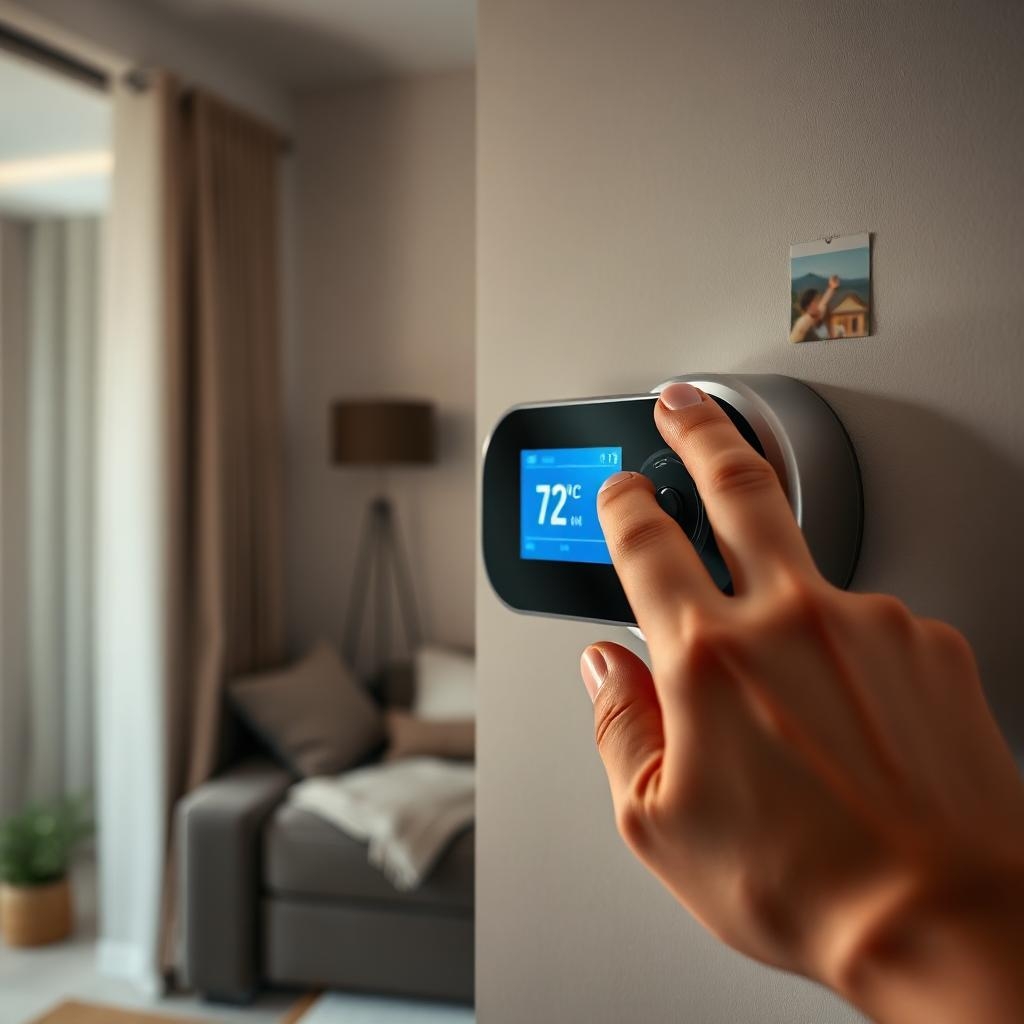
Combi Boiler Flow Temperature: The Quiet Efficiency Check
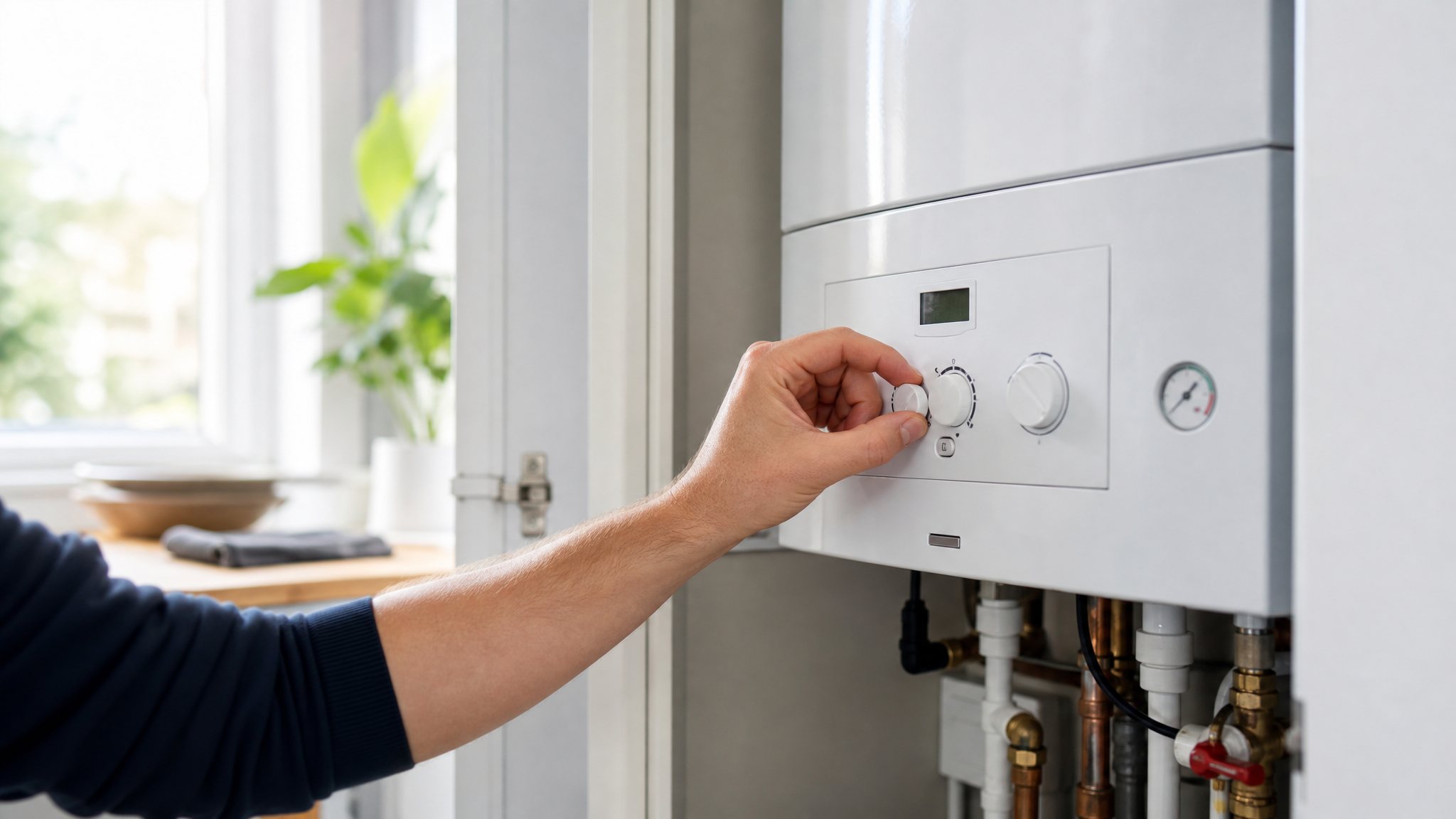
Combi-only applicability: this check is primarily relevant to condensing combi boiler setups and does not apply identically to all heating systems.
For many combi boiler homes, flow-temperature setup is an overlooked efficiency lever.
A practical check:
- 1. Review your current radiator flow setting.
- 2. Test a lower setting (commonly around 60°C for condensing-efficiency context).
- 3. Observe room warm-up time and comfort for several days.
The goal is balanced performance: stable comfort with lower unnecessary gas burn.
Trust-first caveat
This does not apply identically to every heating setup. Homes with different system designs, radiator sizing, controls, or heat-loss levels may need different settings.
Safe decision rule
If rooms fail to heat properly, increase the setting incrementally until comfort and reliability return.
Why this article matters
It gives households a controllable technical step that is independent of supplier marketing and can be tested safely at home.
Source context:
• Ofgem household advice page (turning down boiler temperature):
https://www.ofgem.gov.uk/information-consumers/energy-advice-households/save-money-on-your-energy-bill
• Nesta evidence context on lowering boiler flow temperature:
https://www.nesta.org.uk/project/lowering-boiler-flow-temperature-reduce-emissions/
Approximate annual savings: an orientation
When considering a new, high-efficiency combi boiler, actual savings can vary significantly based on home size, insulation, current boiler efficiency, heating habits and energy prices. Treat the figures below as orientation, not guaranteed outcomes.
- Mid-sized, well-insulated home: upgrading from an older, less efficient boiler to a modern A-rated combi boiler could potentially reduce annual gas costs meaningfully, depending on existing system efficiency and usage.
- Smaller home or apartment: absolute savings may be lower because heating demand is lower, but a clear efficiency gain can still matter if the current boiler is old.
Nesta also highlights that optimising existing combi boilers by adjusting settings, such as lowering the flow temperature below 60°C where appropriate, can offer further savings before replacement is considered.
These figures are directional and should be viewed alongside installation cost, expected boiler life and any available support or grant routes.
Updated: 2026-04-06 · EnergyBonusUK Journal