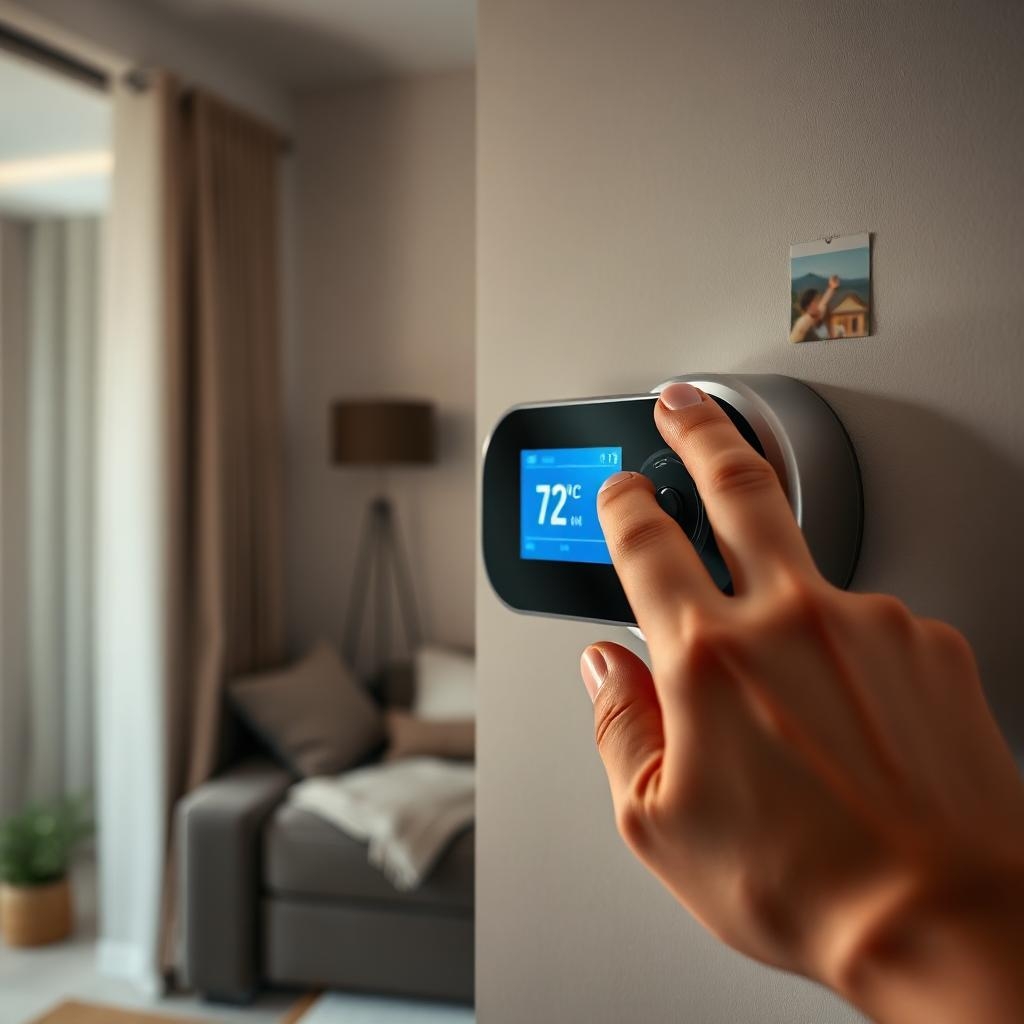
Smart Tariffs in the UK: When They Save You Money — and When They Don’t
Smart tariffs can reduce electricity costs for some households, but they are not automatically cheaper for everyone.
The main variable is usually timing, not just the tariff label. If your home can shift meaningful usage into cheaper periods, outcomes can improve. If most use stays in expensive windows, savings may be limited.
Why this matters now
More UK households can now access time-based pricing via smart-meter enabled tariffs. This changes the decision from “is the unit rate low?” to “can my home realistically use more electricity in lower-cost windows?”.
That distinction is important: a strong off-peak rate does not guarantee a lower total bill.
When smart tariffs usually work well
- Households with shiftable, higher-use electrical loads
- EV owners able to schedule charging overnight
- Homes using delayed-start settings for dishwasher, washing machine, or tumble dryer
- People who can automate one or two routines consistently
When they may underperform
- Most usage stays concentrated in peak windows
- Daily routine has little flexibility
- You focus on headline off-peak rate but ignore peak pricing and standing charges
- Manual timing is inconsistent and automation is not used
Common mistakes to avoid
- Looking at one rate only: compare full tariff structure, not off-peak in isolation.
- Overestimating flexibility: be realistic about what your household will actually shift.
- Skipping a live test: run a short real-world test before committing to expensive upgrades.
- Ignoring safety: use appliances in line with manufacturer guidance and safe operation rules.
A practical 5-step test
- Confirm your actual tariff windows.
- Pick one or two major flexible loads.
- Move those loads into lower-cost periods for 2 weeks or one billing cycle.
- Keep the rest of your routine stable where possible.
- Review the bill impact and convenience honestly.
If the result is meaningful and sustainable, the tariff may fit your home. If not, that is still useful evidence.
Bottom line
Smart tariffs are best treated as a fit question, not a guaranteed-savings claim. For many homes, the biggest gains come from simple scheduling and consistency rather than buying additional hardware immediately.